
APC Expert Consultants, Inc.
Practical Process Control Training
Training Objectives:
Successful completion of the “Process Control Fundamentals” and “Advanced Process Control and Modeling” courses with APC Expert Consultants, Inc. provides a solid background in the field of process control.
These programs teach a strong balance between foundational and advanced concepts in process control, including:
PID fundamentals, loop tuning, feedforward, and anti-reset windup
Understanding process dynamics and their role in control strategy selection
Practical insights on feedforward control, inferential control, and valve stiction counteraction
Exploring control strategy design (constraint control, valve position control, control of integrating processes)
Hands-on exposure to DCS architecture, sensors, transmitters, and final control elements
Introduction to dynamic compensation and process simulation within a DCS environment
Training is offered at the client’s site or other preferred venue.
Each attendee receives a spiral-bound book documenting all the topics covered in the course. Many find this book invaluable for review of the material, often carrying it into the field to use as a guide for implementing the techniques learned.
Training Feedback:
Typical comments include…
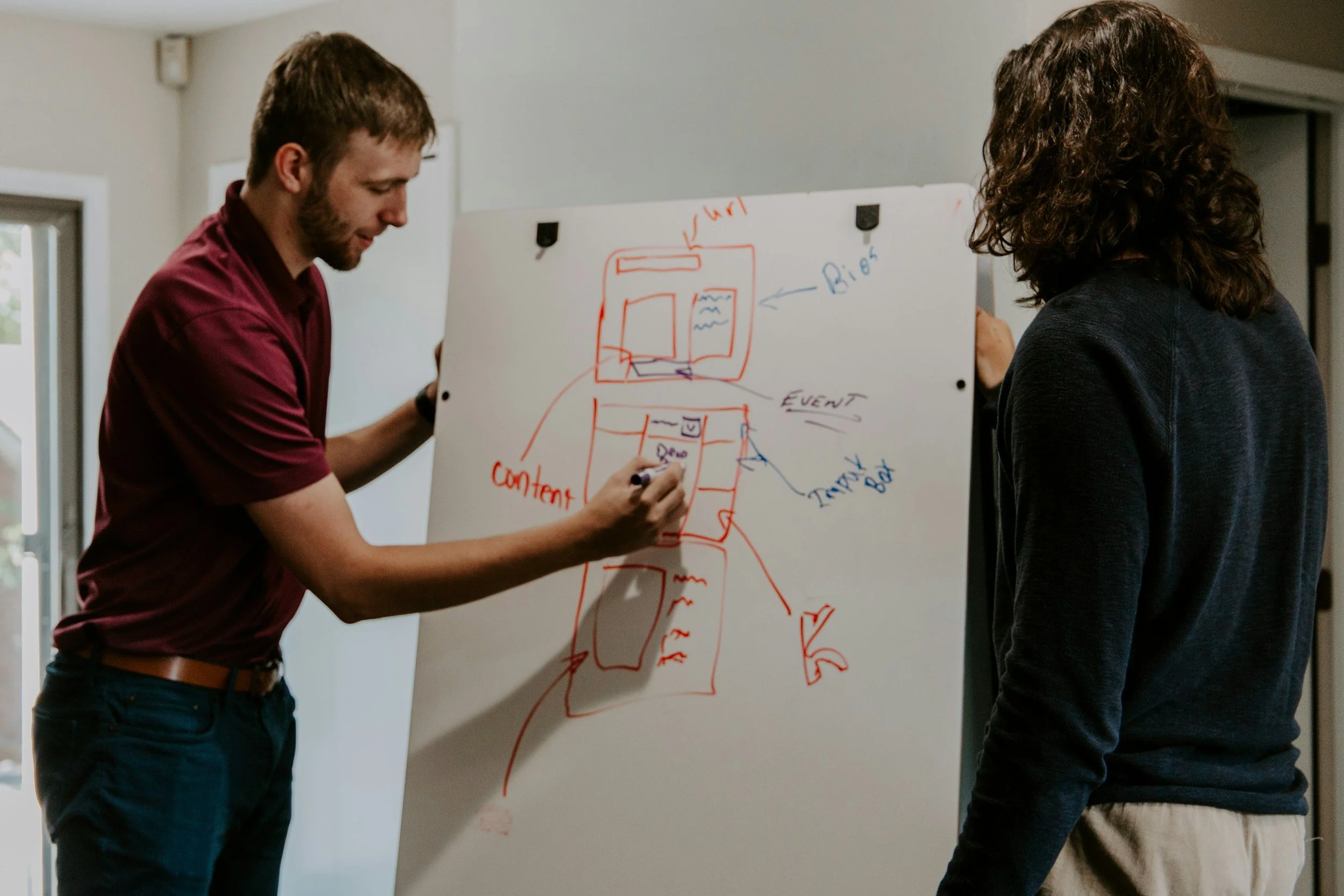
why wasn’t this material taught in school?
I really enjoyed the practicals and the case studies. They assisted in helping me understand the course better.
The labs were excellent in promoting understanding. Really appreciate the tying up with practicality.
The instructor is very knowledgeable; he answered questions by leading us to the discovery of the answers. He encouraged participation and understood gaps (thus explained to our level)
the Test helped with learning
I enjoyed how complex concepts were well broken down by the instructor. It made it easier for me to grasp the logic behind them.
I liked the linking of every example/concept with the practical and real world. The training was not just a theoretical exercise; the application of each concept was well presented.
I enjoyed the modeling sections and learning of new control strategies.
Client List:
Our clients include…
Chevron-Phillips Chem (multiple sites)
Lyondell-Basell (multiple sites)
Sasol (multiple sites)
Alcoa
S-Chem (Saudi Chevron Phillips)
Training Details:
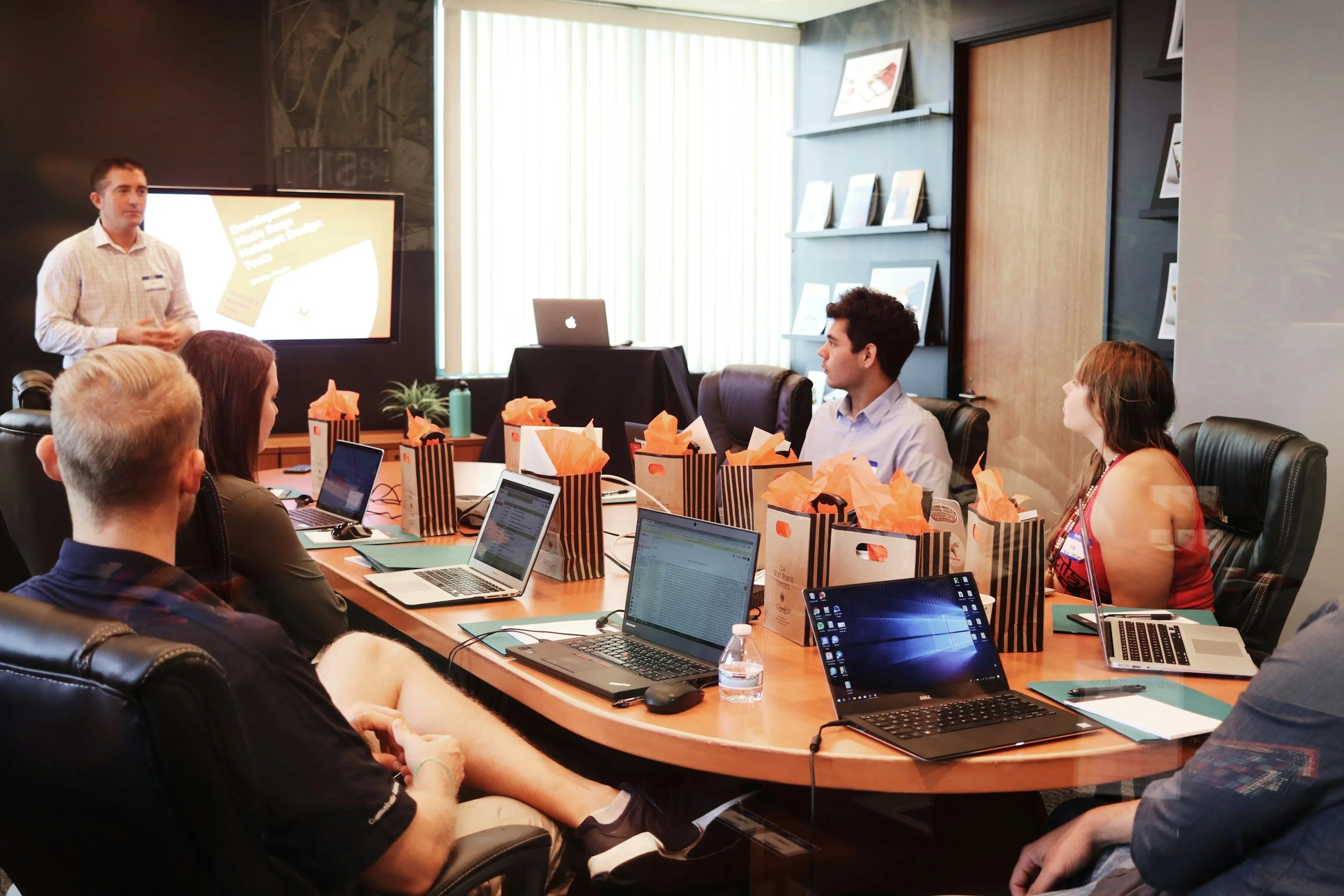
The “Process Control Fundamentals” course…
starts from a rudimentary level
builds the skill level sufficiently to enable the engineer to employ sophisticated control strategies
covers all classical control concepts, with emphasis on understanding process dynamics to conduct proper process identification, loop tuning, and control strategy design
employs seven Excel-based labs that students do in the classroom to reinforce the lessons; each covers essential concepts; the labs can be retained on the student’s computer for refresher knowledge down the road
employs case studies, which give students the opportunity to design more involved control strategies; cases are based on actual control problems encountered in industry. Each student must design his/her own solution; then we compare and cover how the problem was solved in real life.
provides each student with a spiral-bound book showing all presentation slides
presents students with a comprehensive followup exam (open book) to reinforce the information given during the course; questions and answers are reviewed afterward
The “Advanced Process Control and Modeling” course…
continues development of model-based process control concepts
provides a deeper understanding of dynamic compensation for both self-regulating processes and integrating processes
introduces practical insights on dynamic process simulation within a DCS for purposes of control strategy development, testing, and operator training
presents students with an assignment to create a real-time simulation of a process with complex dynamics, requiring them to perform material and energy balances, holdup integration, and addition of noise to simulated measurements; this is done entirely with DCS configuration
assigns students to perform process step tests for model identification
challenges students to construct a model-based multi-variable controller through hands-on exposure to DCS configuration
directs students to evaluate the model-based controller performance and compare it to a well-tuned PID controller
provides each student with a spiral-bound book showing all presentation slides